The Power of Relationships
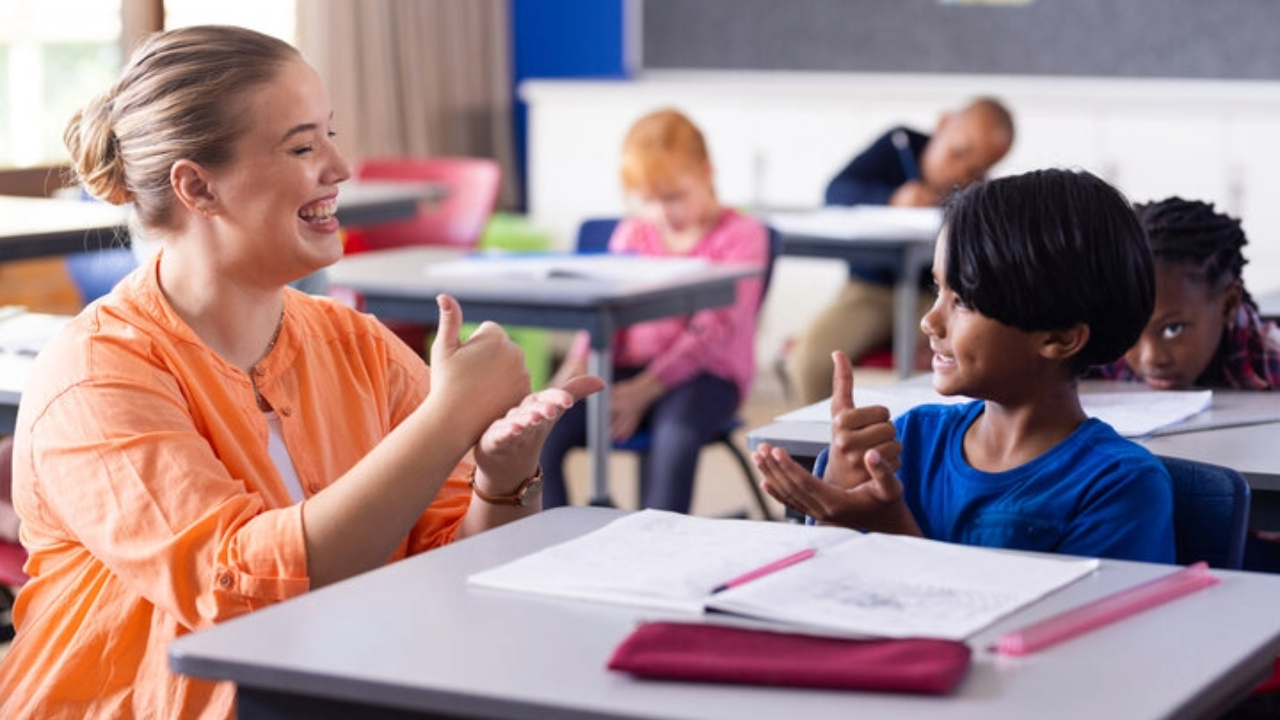
‘They may forget what you said, but they will never forget how you made them feel.’
Carl W. Buechner.
The Research Behind Relationships
It is my firm belief that relationships are the foundation of impactful teaching, and this is not about being liked by your students or being a popular teacher, although a little charm never hurts! Research consistently highlights the link between positive teacher student relationships and student achievement, suggesting that students who feel respected, understood, and supported by their teachers are more motivated (Hattie, 2009) and are more likely to engage in learning (Wang and Degol, 2016, Cohen et al, 2009). Alongside this, research also demonstrates that when students have positive interactions with teachers, they have fewer behavioural problems (Roorda et al, 2011, O;Connor et al, 20011). In fact, John Hattie’s meta-analyses rank teacher-student relationships as one of the most effective strategies for improving student outcomes, with an effect size of 0.72; well above the ‘hinge point’ for impactful teaching (Hattie, 2009).
The Moment I Realised Relationships Matter
In my role as Head of Inclusion, I spend a lot of time on learning walks, observations, and the occasional student pursuit. One particular pursuit sticks with me because, from that day onwards it completely transformed the way I view effective teaching, and my own approach to student interactions.
I decided to follow a student who was, to be perfectly honest, notorious in our school. He had a talent for testing the patience of teachers, consistently disrupting lessons, and generally having a negative effective on his own and others’ learning. He also had a diagnosis of ADHD. Teachers, and that included me, struggled with him. But what I witnessed that day on that student pursuit was revelatory.
The day began with him walking into registration, where the atmosphere changed the moment he appeared. The teacher greeted him with, ‘I hope you are going to behave today?’ The first lesson was no different, with the teacher not even waiting for him to sit down before snapping at him, ‘One wrong move and you’re out.’ Another teacher actually rolled his eyes when he saw the student coming down the corridor. The low expectations and negativity for this student were palpable. Imagine how that feels when you are 15.
Then we reached the English class. The teacher stood at the door, smiling warmly at every student. When she saw him, she lit up in a way that showed him how pleased she was to see him. ‘It’s so lovely to see you! How are you today? I’ve been looking forward to this lesson with your class,’ she said enthusiastically.
His demeanor shifted immediately. Don’t get me wrong; he wasn’t suddenly a saint. But he participated in the lesson. He put his hand up and answered a question, and when she praised his response, I could see him trying to suppress a smile. In that moment, I saw what he could be when he was met with positivity and high expectations.
That student pursuit was transformative for me. The experience ignited my passion for positive relationships and positive behaviour management, and it completely altered the way I interact with challenging students. I realised how much power we, as teachers, hold in shaping not just behaviour but also self-perception and self esteem. It made me see that we should not be blinded by the challenging behaviour, but we must connect with the student behind it. Behaviour is communication, and often students with ADHD or any other additional need can hide behind the ‘notoriety’ rather than show their struggles and vulnerabilities.
Each small act of connection from a teacher, a genuine greeting, a smile, a quiet word of praise, can lay the foundation for progress. It’s not about ignoring bad behaviour but about recognising the good, however small, and building from there. As teachers we can shape and build a student’s perception of themselves that can last forever, so we must ensure we build positivity through our relationships with our students.
Top Tips for Building Relationships
Be Present: Meet and greet students at the door. This sets a positive tone for the whole lesson and gives you the ability to read the mood of the students as they enter
Celebrate Progress: Even small victories deserve recognition. ‘You were only two minutes late today; well done! You are really improving.’
Learn Their World: Whether it’s football or reality TV, showing interest in their hobbies builds rapport and shows students you are interested in them as people.
Be Consistent: Relationships thrive on reliability and consistency. If you promise to check their work or follow up on a concern, make sure you do it.
Laugh: Humour humanises you. Laugh at yourself, put some funny pictures on your presentations, put a joke in your teacher talk and see who is really listening.
Remember this though; building relationships is not about being a ‘cool’ teacher who can do the latest trending TikTok dance routine (though if you can, it’s a bonus!). It is about consistency, empathy, and a genuine interest in students as individuals.
Final Thoughts
Positive relationships aren’t just a ‘would be nice to have’ in teaching, they are essential. Whether it is getting that disengaged Year 8 to pick up a pen or helping a Year 1 student feel brave enough to raise their hand, the bonds we build with our students lay the groundwork for their success in their adult lives. So, go ahead: ask about their weekend, laugh at their jokes, and show them every day that you are on their side.
Remember, relationships aren’t built in a day, but the results last a lifetime.
By Wendy Harris
Senior Director for Inclusion – GEMS Visionaries Cluster of Schools
Assistant Headteacher – Inclusion at GEMS Wellington International School
References
Cohen, J., McCabe, E.M., Michelli, N.M. and Pickeral, T. (2009). School climate: Research, policy, practice, and teacher education. Teachers College Record, 111(1), pp.180–213.
Hattie, J. (2009). Visible Learning: A Synthesis of Over 800 Meta-Analyses Relating to Achievement. London: Routledge.
O’Connor, E.E., Dearing, E. and Collins, B.A. (2011). Teacher–child relationship and behavior problem trajectories in elementary school. American Educational Research Journal, 48(1), pp.120–162.
Roorda, D.L., Koomen, H.M.Y., Spilt, J.L. and Oort, F.J. (2011). The influence of affective teacher–student relationships on students’ school engagement and achievement: A meta-analytic approach. Review of Educational Research, 81(4), pp.493–529.
Wang, M.-T. and Degol, J.L. (2016). School climate: A review of the construct, measurement, and impact on student outcomes. Educational Psychology Review, 28(2), pp.315–352.
Stay up to date
Subscribe to the free GESS Education newsletter and stay updated with the latest insights, trends, and event news every week. Your email address will remain confidential