From Support to Belonging: Inclusion That Works in Nurseries and Early Years
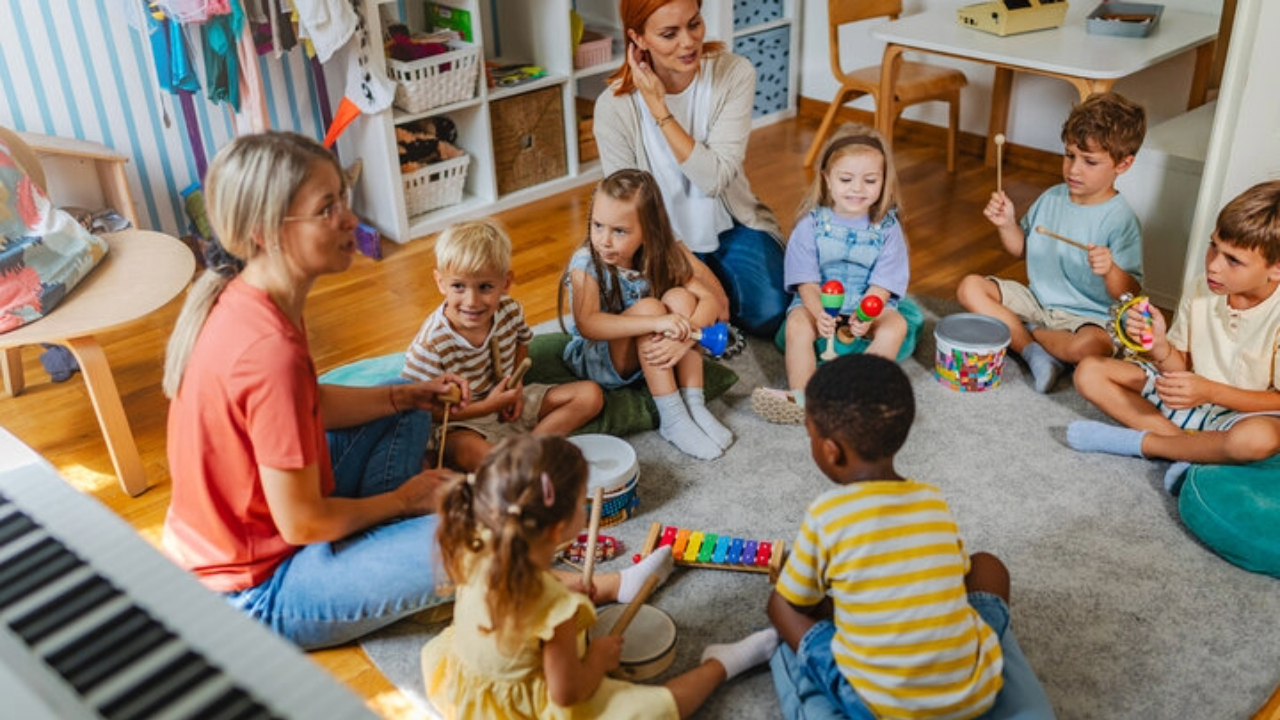
In early years, inclusion is not a separate “strand” that sits next to teaching and care. It is the daily design of nursery life so every child can participate, communicate, play, and feel they belong—even when development looks different, regulation is still emerging, or language is still growing.
What makes early years inclusion unique is the timing. This is the stage where foundations are built: trust, attachment, communication, self-regulation, curiosity, and early social relationships. When inclusion is strong here, we don’t just improve today’s nursery experience—we change trajectories.
A principle I return to in every setting is this: the barrier is rarely the child. The barrier is usually something in the environment, the routine, the demand, or the communication load. UNESCO captures this clearly by describing inclusive education as work that identifies barriers and removes them. (UNESCO) In nurseries, those barriers often hide in plain sight—in transitions, noise levels, group expectations, waiting time, and the unwritten “rules” of play.
Here’s what high-quality inclusion looks like when it’s embedded into real early years practice.
Inclusion begins with culture children can feel
Before strategies, we need culture. Children experience inclusion through thousands of micro-moments:
- how adults greet them at the door
- how mistakes are handled
- whether emotions are met with calm or correction
- whether differences are normalised or highlighted
- whether support builds independence or creates dependence
In inclusive settings, the message is consistent: “You are safe here. You are valued here. We will help you succeed.” That consistency across adults matters as much as any individual intervention.
Design the environment for access, not display
Inclusive environments are clear, not cluttered. They reduce cognitive load and increase independence.
Practical design choices that make immediate impact:
- Defined areas: small-world, construction, role play, sensory exploration, books—so children can “read” the room quickly.
- Reduced overwhelm fewer resources out at once, thoughtful walls, calm corners that feel purposeful (not punitive).
- Visible storage: photos/labels so children can choose and tidy without constant adult direction.
- Representation: books, images, dolls and materials that reflect children’s languages, cultures, family structures, and abilities.
When the room is easier to understand, children spend less energy coping—and more energy learning and connecting.
Predictable routines with supportive transitions
Many children cope well during free play but struggle during change. Transitions are where inclusion either holds—or unravels.
Inclusive transition practice is simple, consistent, and kind:
- Prepare: “In five minutes we tidy up.” Use a timer for children who need concrete cues.
- Visualise: a simple routine strip or “first–then” can prevent distress and reduce adult prompting.
- Cue: the same song, the same language, the same sequence—predictability is regulation.
- Offer roles: “You carry the basket,” “You hold the door,” “You choose the song.”
- Build stamina: some children can tidy one area successfully before they can tidy the whole room—progress is the goal.
Inclusion is not insisting every child transitions the same way; it’s ensuring every child can transition successfully.
Communicate in ways children can actually process
Early years settings are language-rich by nature—but inclusion asks us to be communication-smart.
High-impact habits:
- Say less, mean more: one instruction at a time, then repeat consistently.
- Model during play: language lands better when it’s attached to the child’s focus (“Stir… hot… wait”).
- Pause: give processing time before adding more words.
- Support understanding: visuals, gestures, and consistent key words across adults.
When communication is accessible, behaviour often improves—not because children are “managed,” but because they feel understood.
Make play easier to enter, not harder to “earn”
Some children avoid play because play can be socially complex, sensory-heavy, and full of hidden rules. Inclusion means we scaffold entry.
What this looks like in practice:
- Play invitations: simple set-ups that show exactly what to do (two cups and a jug on a tray; cars with a ramp).
- Fewer choices: for children who become overwhelmed, start small and expand gradually.
- Join first, extend second: enter the child’s play at their level, then add one small extension.
- Give roles: “chef,” “driver,” “shop helper,” “builder”—roles reduce social uncertainty.
- Plan peer connection: friendships don’t always happen naturally; inclusive practice engineers’ success.
In inclusive nurseries, we don’t interpret “not playing” as lack of interest. We interpret it as a signal: play isn’t accessible yet—and we change the conditions.
Observe to understand the barrier behind behaviour
In early years, behaviour is often the most honest communication. Inclusion strengthens when teams stop documenting only the behaviour and start identifying the barrier.
A strong observation lens asks:
- What happened just before? (noise, waiting, transition, sharing, adult demand)
- What was the child communicating? (escape, help, sensory relief, control, connection)
- What helped? (choice, reduced language, movement, visuals, a predictable script)
This is how we move from reactive responses to planned support. It also protects the child from being labelled by their hardest moments.
Keep practice sustainable with one simple framework
If teams need a shared structure that doesn’t create more paperwork, I use a three-part check drawn from widely used early childhood inclusion guidance: access, participation, supports. (NAEYC)
- Access: Can the child enter the experience? (environment, materials, sensory demands)
- Participation: Can the child stay engaged with success? (scaffolding, communication, regulation)
- Supports: Do adults have what they need to implement consistently? (coaching, collaboration, family partnership)
This keeps inclusion practical and prevents the default answer becoming “do more.” Often the most effective shift is “design smarter.”
Families are partners, not spectators
Inclusion accelerates when home and nursery are aligned. Families often hold the missing puzzle pieces: what calms, what triggers, what motivates, what worries.
Keep partnership human and useful:
- begin with strengths and progress
- agree one or two shared priorities
- share simple strategies that work across contexts
- communicate in ways that support—not overwhelm—staff and parents
When the adults around a child share a consistent approach, children feel safer—and safety supports development.
Closing thought
UNICEF describes inclusive education as children learning together in the same settings with real opportunities to learn. (UNICEF) In early years, that becomes something children experience emotionally and physically: I belong. I am understood. I can do this.
Inclusion isn’t perfection. It is consistent, reflective practice—removing barriers in the moments that matter most, through play, routines, relationships, and skilled adult responses. When that becomes “how we do things here,” every child benefits.
By May Zalat
KFG Inclusion Director
Stay up to date
Subscribe to the free GESS Education newsletter and stay updated with the latest insights, trends, and event news every week. Your email address will remain confidential