Building a Thriving Community of Collaborative Learners in the Early Years
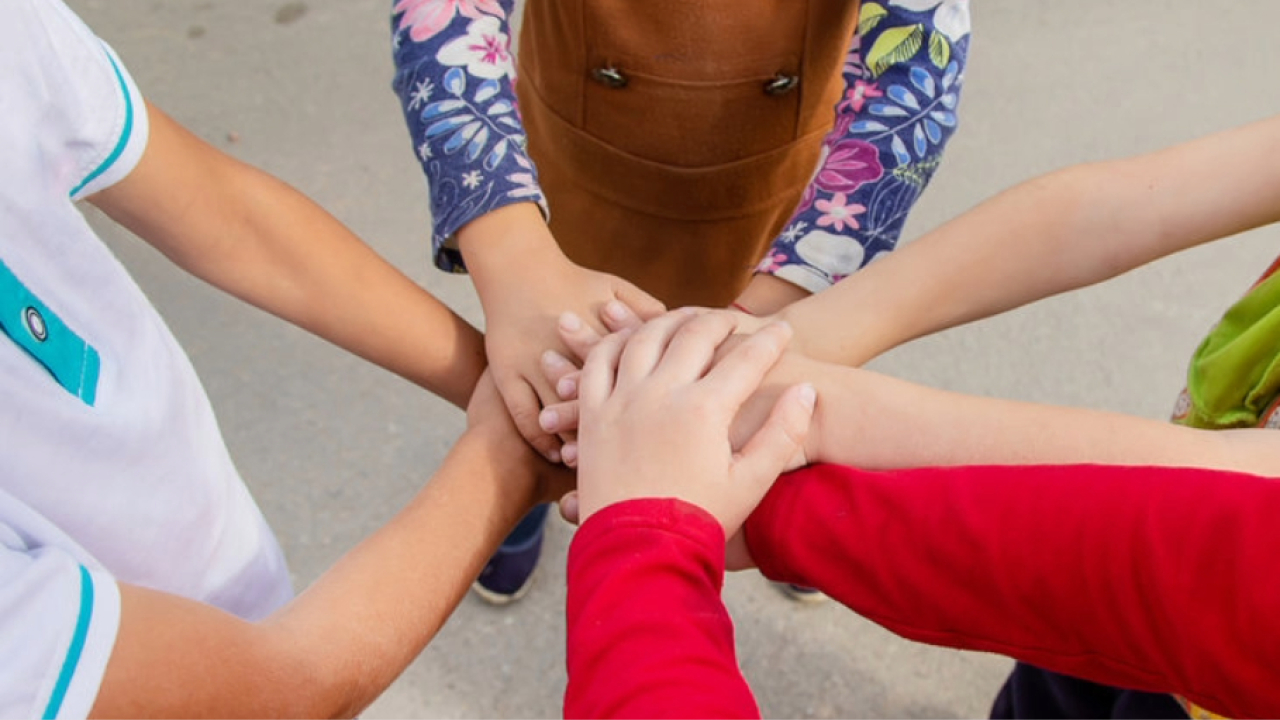
The early years of childhood are a critical period for social, emotional, and cognitive development. Children in EYFS are naturally curious, imaginative, and eager to interact with the world around them. Fostering a community of collaborative learners in EYFS classrooms transforms learning from isolated tasks into shared experiences, where children develop empathy, problem-solving skills, and a love of learning. Collaboration in early childhood is more than group work—it is learning with and from peers. Creating such a community requires intentional strategies, a supportive culture, and ongoing reflection, all grounded in practical classroom examples.
A safe and inclusive classroom is the foundation of collaborative learning. Children need to feel secure, respected, and valued to engage fully. Examples are:
Circle time discussions: After reading The Very Hungry Caterpillar, children can predict what the caterpillar might eat next. Children can also discuss healthy foods versus treats, encouraging dialogue and reasoning.
Emotion check-ins: Begin the day with a “feelings circle” where children choose a card or emoji representing how they feel. This builds emotional literacy and empathy as children recognize and respond to each other’s emotions.
Visual classroom rules: Display rules like “We take turns,” “We listen to each other,” and “We share ideas kindly,” reinforced with pictures for non-readers. Children can help create the posters, giving them ownership of the rules.
Inclusive role play: Set up a home corner with costumes, dolls, and props reflecting different cultures, abilities, and family structures. Children can act out scenarios like grocery shopping or doctor visits, learning cooperation, empathy, and understanding diverse perspectives.
A safe environment encourages children to take risks, ask questions, and express ideas freely, forming the basis for collaborative learning.
Collaborative learning thrives when children engage in hands-on, interactive, and meaningful activities. Examples are:
Construction and block play: Groups can create a “Reception town,” building houses, roads, and shops using blocks or recycled materials. Children negotiate roles—builder, designer, recorder—and make decisions together about the town layout.
Creative arts projects: Children collaborate on a seasonal mural, such as a “Winter Wonderland” or “Under the Sea” scene. They discuss what to include, share materials, and plan their contributions collectively.
Storytelling and puppetry: In literacy, children co-create stories using puppets or felt boards. Each child contributes a character or a line of dialogue, encouraging listening, turn-taking, and imagination.
STEM explorations: Small groups explore building towers or bridges with blocks, Lego, or recycled materials. They predict what will happen if the bridge is too high or too wide, test their ideas, and redesign collaboratively.
Nature-based learning: Children work together to plant a mini garden or investigate pond life. They decide who waters, records observations, or documents growth, practicing responsibility and teamwork.
These activities develop negotiation, cooperation, creativity, and shared responsibility, all essential collaborative skills.
Collaboration is a mindset that teaches children to see learning as a communal journey rather than individual competition. Examples are:
Shared problem-solving in maths: Children work in pairs or groups to sort shapes, count objects, or compare quantities, discussing strategies and helping each other when needed.
Normalizing mistakes: When a tower of blocks falls, children discuss: “What happened? What can we do differently?” This encourages resilience, experimentation, and reflection.
Peer teaching: A child who has mastered writing letters or forming numbers can help a friend practice. This strengthens confidence for both the helper and the learner.
Collaborative games: In physical education or outdoor play, children work together to complete obstacle courses or group challenges, fostering cooperation and communication.
By embedding a “learning together” mindset, children develop curiosity, perseverance, and respect for different approaches to problem-solving.
The physical environment plays a vital role in fostering collaboration. Examples are:
Learning corners: Set up areas for construction, dramatic play, sensory exploration, and creative arts. For example, a construction corner with blocks and ramps encourages joint planning and experimentation.
Shared resources: Provide communal materials like magnifying glasses, counting objects, art supplies, and natural objects (leaves, stones, shells) for collaborative investigations.
Documentation walls: Display collaborative work—group art, co-created stories, or science projects—so children see and take pride in collective achievements.
Flexible seating: Tables arranged in clusters, cushions, or floor mats encourage children to work side by side and share ideas comfortably.
Digital collaboration: If using tablets, children can create joint photo stories, record collaborative storytelling, or explore educational apps together.
Intentional spaces signal the value of collaboration and make group learning visible.
Reflection helps children think about what they did, how they contributed, and what they learned. Examples are: Reflection circles: Ask children questions such as “What did you enjoy doing with your friends today?” or “How did you help each other?”
Visual reflections: Children draw or annotate their favourite part of a group activity and share it with the class.
Collaborative journals: Document group projects in a class book, e.g., “Our tower held 10 toy animals!” or “We worked together to write a story about our pets.”
Peer discussion: Encourage children to discuss how their teamwork improved an activity or what challenges they overcame together.
Reflection deepens learning, promotes self-awareness, and strengthens teamwork skills.
Families play an essential role in extending collaborative learning beyond the classroom. Examples are:
Home projects: Invite families to complete simple collaborative tasks, like creating a nature collage, cooking a recipe together, or making a family storybook, then share it in class.
Parent workshops: Parents participate in shared reading sessions, craft projects, or simple STEM experiments alongside children.
Communication: Send home prompts like “Ask your child to teach you a game or rhyme we learned today” or “Work together to build a simple structure at home.”
Family involvement reinforces the value of collaboration and strengthens connections between home and school learning.
Recognition motivates children and reinforces collaborative behaviors. Examples are:
Showcasing work: Display group murals, co-created stories, or STEM projects in the classroom or a school newsletter.
Positive reinforcement: Praise specific actions: “I loved how you helped each other build the bridge today!”
Peer recognition: Encourage children to give “kindness cards,” verbal shout-outs, or a “teamwork star” to peers who contributed well.
Collaborative awards: Celebrate group achievements with certificates, photos on the class wall, or “collaboration of the week.”
Celebrating successes builds pride, belonging, and motivation to continue participating in collaborative learning.
Creating a community of collaborative learners in EYFS requires intentional strategies, supportive culture, and reflective practice. By establishing safe, inclusive environments, designing shared experiences, fostering collaborative mindsets, creating interactive spaces, encouraging reflection, involving families, and celebrating achievements, educators can nurture children who are curious, empathetic, resilient, and confident collaborators. Through these experiences, children not only develop academic skills but also learn to communicate effectively, solve problems creatively, and contribute meaningfully to a community, laying the foundation for lifelong learning.
By Remediana Dias
Stay up to date
Subscribe to the free GESS Education newsletter and stay updated with the latest insights, trends, and event news every week. Your email address will remain confidential