Classroom Communities That Have Long Term Impact
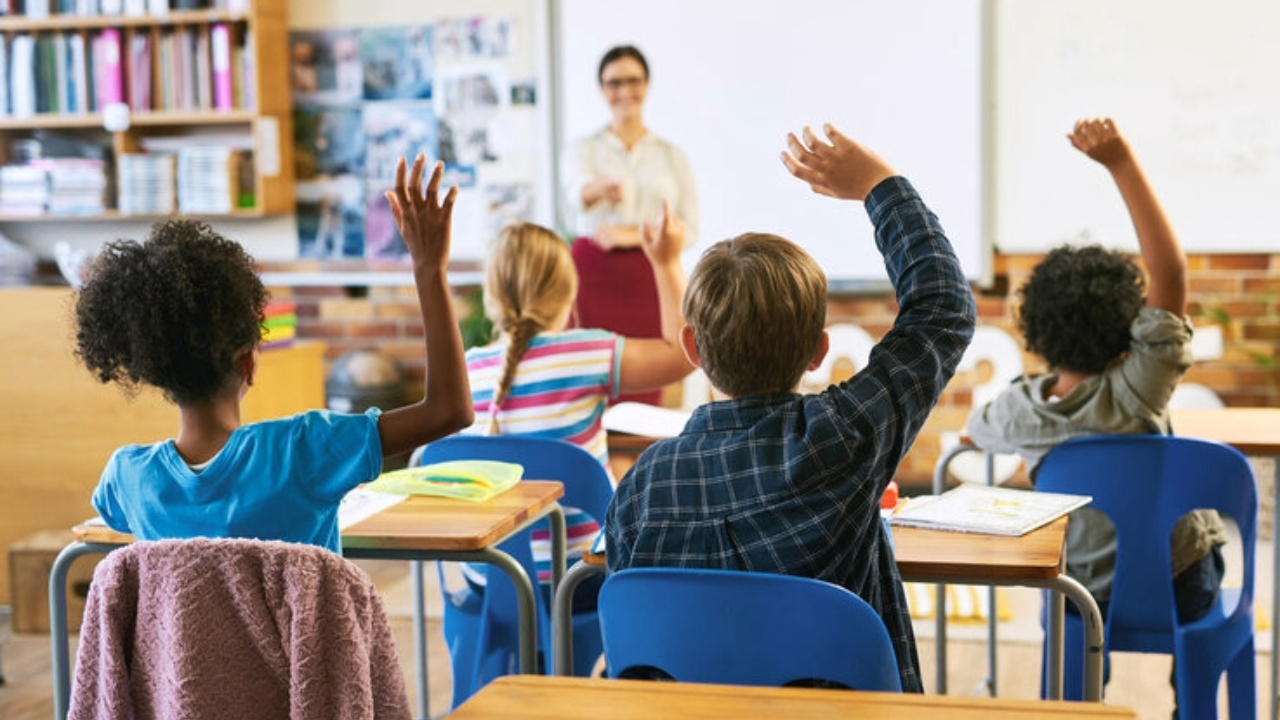
As you walk into my classroom, you see a group of 8 and 9 year old students standing by a whiteboard deep in discussion, another group is sitting on the carpet working on a poster, I sit with others at a round kidney table; the room is filled with a productive hum.
The early years of childhood are some of the most formative. Maria Montessori, renowned Italian teacher and researcher, called them the "sensitive periods”. Later, science would confirm that about 90% of a child's brain is developed by age 5, making strong primary education critical for lifelong success.
What makes a strong primary education? How can educators nurture independence and confidence in young learners?
I have worked in American-curriculum elementary schools for 10 years. I initially worked as a learning support teacher focused on students learning English as an additional language. More recently, I have worked as head teacher for third grade, 8-9 year olds (year 4 in the British system). In all my experience, I have learned this: great learning environments are not created easily. They require trial and error, creativity and resourcefulness.
What is my secret recipe? In my classroom, students are co-creators of the learning process. They are not simply recipients.
If you visit my classroom, you will see some bare walls, clustered tables and desks, and a rug in front of the main whiteboard. This setup is designed to balance the developmental needs of my 8-9 year olds. As a primary teacher I must cover many subjects like math, literacy, science and social studies. The students spend most of their school time with me. My goal is to empower my students to manage themselves as the year progresses.
Building Responsibility Through Shared Expectations
A classroom is a mini-society; it has its own rules, traditions, sub-cultures, environment etc. As the teacher, I will set the tone for how students can expect to be treated under my care. One of my beginning of year rituals is engaging in a multi-day discussion with my students about the purpose of rules. We go through a guided Question Formulation Technique (Right Question Institute - Harvard) to get them curious about the importance of shared expectations.
The kids work in small groups generating as many questions about rules within 10 minutes. We spend time doing a gallery walk and exploring each other's ideas. I instruct them to pick 5 of their best quality questions to share with the class. I use these questions to prompt discussions about how rules help us to know “how to behave”, not just what behavior to avoid. We then collect all the rules they have ever heard in school. This list serves as the foundation for the final phase of this process.
Usually the class comes up with 20-30 rules. As we look at the long list we discuss why it would be impossible to remember all of these rules. We start to look for redundancies and rewording to combine. During this process, I prompt the students to think about the most common problems they notice in classrooms. They are quick to think of times where they have felt things were unfair, or unsafe. This helps us narrow down 4-5 rules that we will follow for the rest of the year. Once we determine our top five we make a poster and each student signs it.
This process may seem tedious and drawn out to some, but it demonstrates the importance of seeing students as co-constructors of their learning. As they participate in the process, they learn the value of listening and empathizing with one another. They commit to rules that they helped write and this helps them hold each other accountable.
Creating a Unique Classroom identity
Children are often seeking a sense of belonging. They notice when they are being excluded and feel the sting of rejection deeply. As teachers, we cannot always protect our students from emotional harm, but we can set up the conditions to build resilience, advocacy and kindness.
I tell my students every day, “We are the best students of this school.” This compliment is not meant to pit them against other classes, but to inspire them to rise to the title. Every morning we read aloud our Class Vision.
Our class is a strictly positive classroom. We solve problems and try our best. When we need help, we ask kindly. We take care of each other, our teachers and our school community. We know rules teach us how to be helpful, respectful and responsible. In this class, it is cool to be smart, cool to care and cool to be you.
This daily ritual reminds my students that they are part of a community of learners that is intentionally designed to nurture and challenge them. They memorize it and quickly call each other out when needed.
Keep Fun in the Classroom!
There will always be higher levels of academic success to be reached. Life is a journey of learning and unlearning. Primary education must have elements of fun embedded everyday. Classrooms should nurture joy and creativity as much as possible.
My students and I love connecting over music and games. We host a daily Morning Meeting circle (Responsive Classroom) where the main focus is connection and fun. The students greet each other and answer a prompted question. “What is your favorite place you have traveled and why? If you could have any superpower what would it be?” They then play a short game to energize them for the day.
Throughout the year we also host movie days, classroom campouts, holiday celebrations and much more. These are the memories kids will carry with them beyond my time with them.
In conclusion, primary educators have many opportunities to build independent, resilient learners. Through co-construction of the classroom routines, environment and culture, students can feel that they are responsible for the wellbeing of their community.
By Jennifer Mayorga
Stay up to date
Subscribe to the free GESS Education newsletter and stay updated with the latest insights, trends, and event news every week. Your email address will remain confidential