Inclusion Isn’t a Program, It’s a Climate
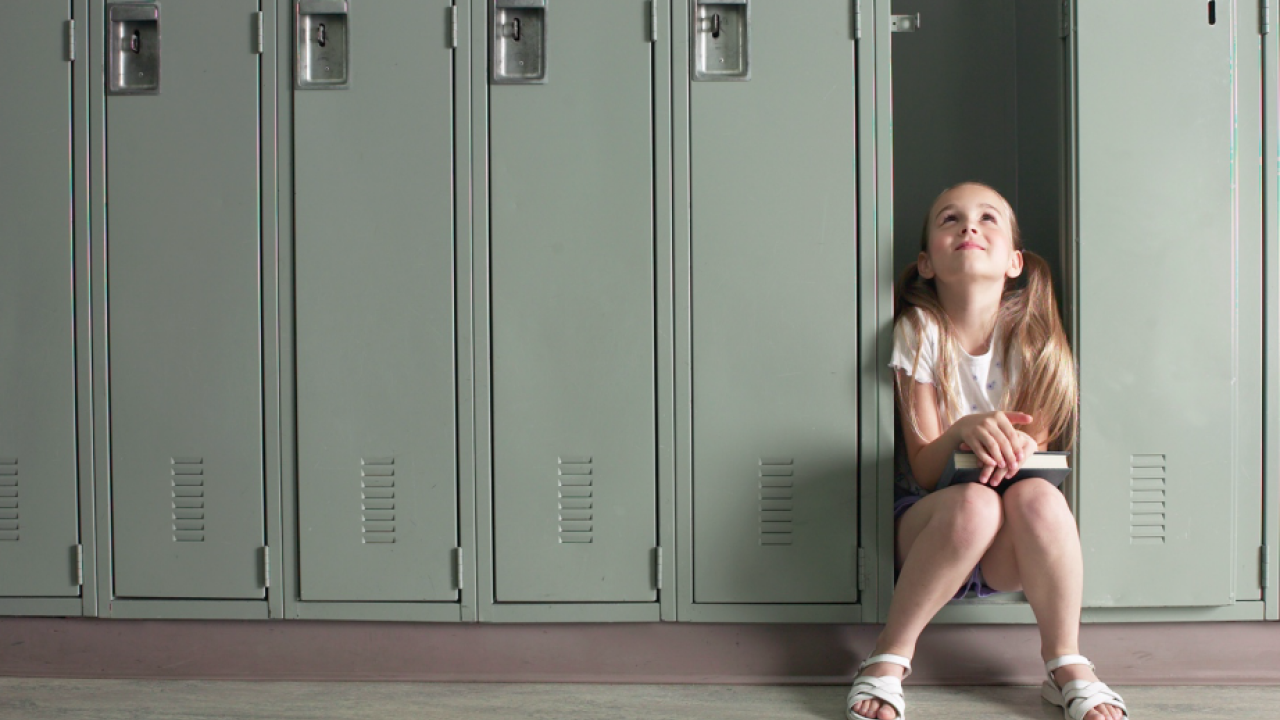
A student hesitates before joining a group. The activity has started, roles are being assigned, and no one has quite noticed they’re still standing alone. Moments like this, small, ordinary, easy to miss, are where inclusion either quietly succeeds or slowly unravels. When people talk about special education and inclusion, they often jump straight to labels, diagnoses, or support plans. Those things matter but they’re not where inclusion actually lives. Inclusion lives in the everyday climate of a classroom: how students work together, how teachers design learning, and how safe students feel taking academic and social risks. In my work with schools, I see this repeatedly: inclusive education works best not when it’s treated as a separate system, but when it’s woven into the culture of teaching and learning itself (Duka et al., 2024; Margas, 2023). In other words, inclusion isn’t something we add on. It’s something we build.
Why Classroom Climate Matters More Than Ever
Classroom climate is the emotional and social tone of a learning space. It shows up in daily interactions: who gets invited into group work, whose voice is heard, and whether students feel respected rather than merely accommodated. Research shows that students with special educational needs are more motivated, and achieve more, when classrooms are collaborative, supportive, and predictable (Duka et al., 2024). In positive classroom climates, students are more willing to participate, persist through challenges, and see themselves as capable learners. When the climate is negative or overly competitive, the opposite happens. Students with special needs are more likely to withdraw socially, disengage academically, and feel less accepted by their peers (Margas, 2023).
Bottom line: how students feel in a classroom shapes how they learn in it.
Research Snapshot
In inclusive primary classrooms studied in Albania, 49% of teachers reported that students with special needs were actively included in group work. Inclusion dropped sharply when classroom climate or adult support was inconsistent (Duka et al., 2024). Inclusion rises or falls not with student ability, but with classroom design.
Group Work: Inclusion in Action
Group work is often viewed as risky in inclusive classrooms. Yet research, and classroom experience, suggests it is one of the strongest tools we have when done intentionally. When students with special needs are meaningfully included in group activities, their communication skills, confidence, and academic engagement improve (Duka et al., 2024). Group work allows students to contribute in different ways, organizing ideas, solving problems, explaining concepts, or offering creative insight. Just as importantly, inclusive group work benefits all students. Peers without identified special needs develop empathy, collaboration skills, and a clearer understanding that learning does not look the same for everyone (Margas, 2023). This only works, however, when group work is designed with purpose. Roles must be explicit, expectations clear, and alignment with Individual Education Plans (IEP) intentional.
Bottom line: unstructured group work excludes; well-designed group work includes.
Project-Based Learning:
Belonging Through Purpose Project-based learning (PBL) offers powerful opportunities for inclusion because it values contribution over comparison. Students can enter the learning at different points while still working toward a shared outcome. Research shows that students with special needs demonstrate higher motivation and stronger learning outcomes when they are part of thoughtfully designed projects (Duka et al., 2024). Projects promote sustained engagement, peer interaction, and a sense of belonging, especially when success is defined broadly rather than narrowly. Teachers and parents consistently report social gains as well: students become more confident, friendships deepen, and self-esteem grows when learning is meaningful and shared.
Effective PBL in inclusive classrooms includes:
• Flexible expectations with clear goals
• Intentionally assigned roles
• Equal recognition of diverse contributions
Bottom line: project-based learning widens access without lowering standards.
Technology as a Bridge, Not a Bandage
Technology plays an important role in inclusive education, but only when it is used with intention. ICT supported teaching has been shown to increase motivation and persistence for students with learning disabilities when tools are aligned to specific needs (Duka et al., 2024). Assistive technologies, tablets, and interactive platforms can reduce barriers and increase independence. However, many inclusive classrooms still lack consistent access or adequate teacher training, limiting their impact (Margas, 2023). Untrained access is not inclusion, it is frustration. Technology must be paired with pedagogy, planning, and leadership support to truly serve students.
Bottom line: technology supports inclusion only when adults are supported first.
Technology Access Snapshot
In the same study, only 17% of inclusive classrooms had regular access to instructional technology such as smart boards or tablets, limiting consistent ICT support for students with special educational needs (Duka et al., 2024).
Leadership Reflection
Inclusive classrooms don’t happen by chance. They are the result of deliberate leadership decisions, about people, priorities, and practice.
Inclusion Benefits Everyone
One of the most persistent myths about inclusion is that it exists only to support students with special educational needs. Evidence from inclusive classroom research tells a different story. Studies of inclusive primary classrooms show that when learning is organized around collaboration, through group work and shared projects, peer interaction improves across the entire class (Duka et al., 2024). Students learn to communicate more effectively, take shared responsibility, and recognize one another’s strengths. These benefits are not limited to students with identified needs; they shape how all students engage socially and academically. At the school level, a positive inclusive climate amplifies these effects. When inclusion is embedded as a whole-school value rather than a separate intervention, it strengthens relationships, reduces social exclusion, and promotes a culture of mutual respect and belonging (Margas, 2023). Difference becomes expected, support becomes shared, and success becomes collective. In this way, inclusion is not a service for a fewit is a framework that improves the learning environment for everyone.
Leadership Makes Inclusion Possible
Classroom climate does not exist in isolation. It is shaped upstream by leadership decisions, timetabling, staffing, professional development, and resource allocation. When inclusion relies solely on individual teachers, it becomes fragile. When it is supported by systems, it becomes sustainable.
School leaders play a critical role by:
• Prioritizing inclusive practices in curriculum planning
• Investing in training for group work and project-based learning
• Ensuring consistent access to assistive and instructional technology
• Treating classroom climate as a core indicator of school quality
Reflection for School Leaders
• Where does inclusion in your school depend on individual effort rather than shared systems?
• When group work happens, who consistently benefits, and who quietly opts out?
• How visible is classroom climate in your evaluation and coaching conversations?
Inclusion does not happen through policy alone. It happens one classroom, one interaction, and one leadership decision at a time. The real question is not whether a school values inclusion, but whether its daily practices make belonging unavoidable. When schools get the climate right, inclusion stops being a challenge and starts becoming a strength.
References (APA)
Duka, A., Leka, K., Vampa, M., Bursová, J., & Jenisová, Z. (2024). The impact of climate in inclusive classrooms: Influencing the motivation of students with special needs. Journal of Education, Culture and Society, 15 (1), 303-314.
Margas, N. (2023). Inclusive classroom climate development as the cornerstone of inclusive school building: Review and perspectives. Frontiers in Psychology, 14, 1171204: Frontiers | Inclusive classroom climate development as the cornerstone of inclusive school building: review and perspectives
By Dr. Emanuel Vincent
Stay up to date
Subscribe to the free GESS Education newsletter and stay updated with the latest insights, trends, and event news every week. Your email address will remain confidential