Belonging First: Lessons From a Lifetime of Education
From an early age, growing up, I started to realise almost unconsciously that your environment plays a pivotal role in success.
As a youngster, I played lots of sports and was very successful, winning many matches, competitions and leagues. As a junior table tennis player I was winning adult men’s tournaments, which I enjoyed, probably a lot more than the adults I was beating. At the time, I didn’t fully understand how I seemed to achieve consistent success while many of my peers did not. I enjoyed being in these environments, I felt like the coaches understood me, freely gave me their time and they were able to give me not only the correct technical information, but also support me emotionally as I continued my journey.
As I began my career in education, initially as a PE teacher, I quickly moved into leadership roles. With each success came greater responsibility and the opportunity to influence on a wider scale, which led me to question what truly underpinned success in schools. By observing staff who were highly effective alongside those who found it more challenging, a clear pattern emerged. Like my sports coaches, the most successful educators prioritised positive relationships, took time to understand where students were on their individual journeys, and adapted their teaching accordingly.
In January 2023 I started an alternative provision in the UK called Space To Bee, a place to give young people a chance to bee and follow their dreams. The main aim is to support young people who were struggling to access their education and in many cases had totally withdrawn. With a combination of activities (sports and creative arts), mentoring and emotional management training, our success has enabled us to grow from a solo venture to a thriving team of 15, inside 3 years, working with over 300 young people to hugely impact their re-engagement back into education.
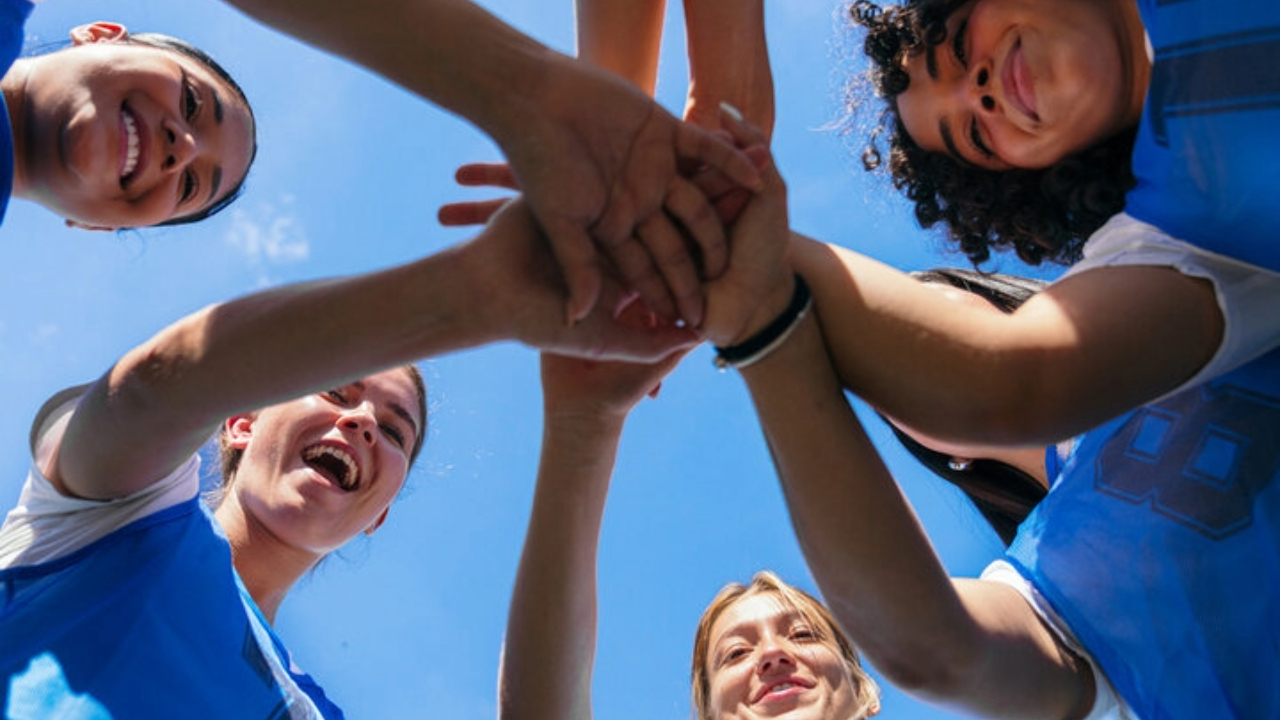
Now, having played sports, worked in schools for approximately 30 years and having founded an alternative provision, my thinking has developed clarity. The most valuable skill to develop is the ability to support staff in creating environments that encourage and sustain personal pride, while also building a strong sense of belonging.
So what does the future hold? We live in an ever-changing world, with great uncertainty, especially around how AI’s influence will play out. Two huge questions remain:
- Are we preparing today’s young people with the skills they will need?
- How do we do this at a time when so many teachers feel overwhelmed and are considering leaving the profession?
For me, the answer is clear. Culture, ethos, and environment have a profound influence on health, wellbeing, and the willingness to learn and grow. We have to foster this in all our stakeholders from the first moment to the last. Wellbeing isn’t doughnuts left in the staff room in the last week before a holiday. Its care, challenge and understanding. It takes time and careful planning and is just as true for adults as it is for children.
We have amazing individuals in our profession who go above and beyond in every minute of every day for their students and communities. Curriculums are expertly planned, and time is spent developing our pedagogy, but I feel that over time educational outcomes and measures have been prioritised over our communities' wellbeing. There is clear evidence to support the fact that “pupils with better health and wellbeing are likely to achieve better academically” (Public Health England 2014 – The link between pupil health and wellbeing and attainment). More recent research continues to identify a clear link between positive emotional health and academic progress.
My recent journey in Abu-Dhabi in the UAE and my continued work as founder of Space To Bee has allowed me to use my experience to develop the Wellbeing Agenda and Culture. Whilst content has and will continuously change, soft-skills, characteristics and confidence will always be prerequisites for success. This work has led to confirmation of the link between wellbeing and outcomes. We now have an amazing staff retention rate, improvements in student behaviour, students reporting they feel safe and enjoy their experience, student outcomes in external assessments improving and parents reporting their confidence in our work.
We all know that working with young people is a multi-layered process, but if we don’t create a strong foundation based on prioritsing wellbeing (personal and positive relationships, listening and responding, care and support and developing a sense of belonging) then the layers above will simply crumble.
Wellbeing is and should always be
“Everybody Everyday”
By Rob Faulkner
Founder of Space To Bee and Head of Middle School, Al Dhafra Private School. Abu Dhabi
Stay up to date
Subscribe to the free GESS Education newsletter and stay updated with the latest insights, trends, and event news every week. Your email address will remain confidential