Growing Green Minds: How Schools Can Lead the Way to a Sustainable Future
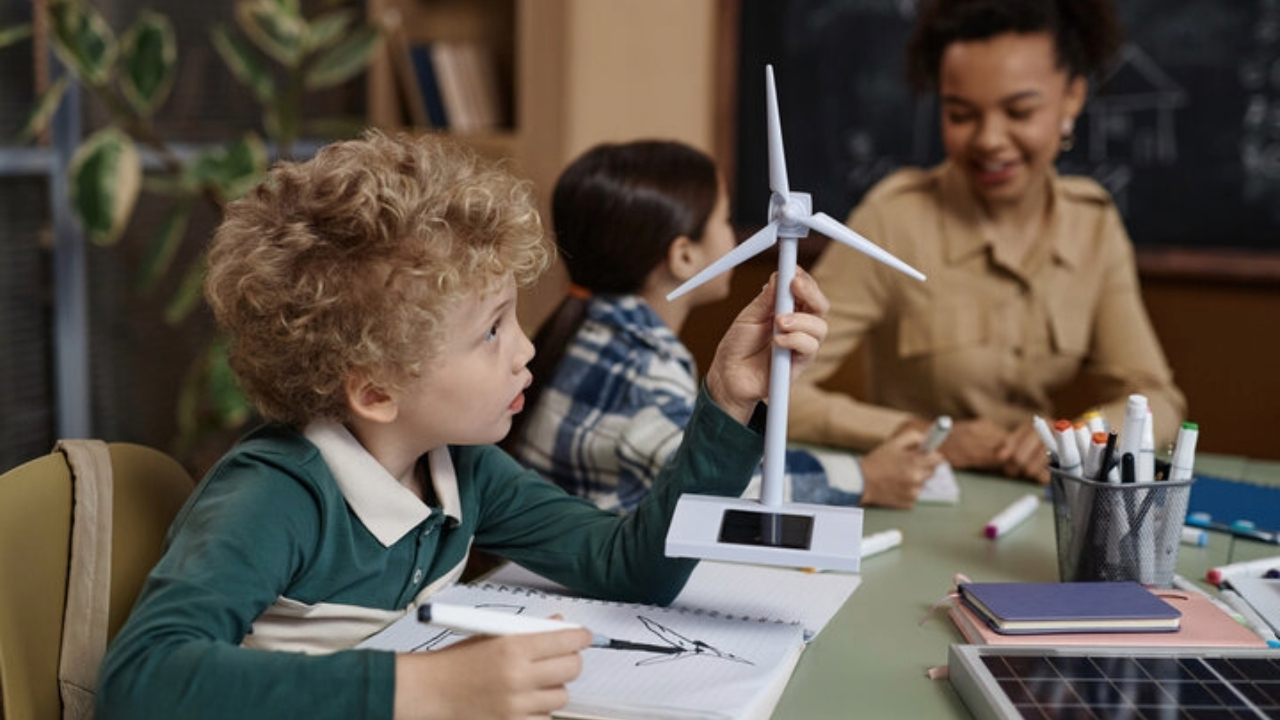
Schools play a vital role in helping every child to develop an understanding of environmental issues locally, nationally, and globally. Teaching students how their choices and behaviours impact their school and community is one of the most meaningful ways to create lasting change.
Across the world, environmental organisations are leading inspiring school initiatives that empower young people to take action. These programmes build a culture of sustainability, fostering awareness, responsibility, and positive change.
Starting the Journey
A good first step is forming an environmental action group of “eco warriors.” Each class can elect a representative to lead class projects, share ideas, and collaborate on school-wide initiatives. Begin with an environmental audit, celebrating the sustainability work already happening in your school, then use this to create an action plan that is a working document targeting areas for improvement that is shared with the school.
Many schools plan environmental focus days or weeks throughout the year, linking sustainability to curriculum learning. Below are key topics and ideas suitable for primary schools. Reboot the Future has an excellent classroom calendar of events that happen through the year. https://education.rebootthefuture.org/2025-26-classroom-calendar/
Reducing waste is an ideal starting point that engages the whole school community.
In The Adventures of Scout – Stop Dropping Litter, Scout and her animal friends tackle ocean litter and teach readers about the “5 Rs”: Refuse, Reduce, Reuse, Refill, Repair before Recycle. https://theadventuresofscout.com/
- Reusable glue sticks: Learn Play Nexus produces U-fill, the world’s first refillable glue stick. Schools keep the container and simply replace the glue insert, reducing plastic waste. https://learnplaynexus.com/u-fill-reuse-refill-rethink/
- Waste-free lunches: Encourage refillable bottles and reusable containers. Provide parents with film clips or newsletter tips on packing waste-free lunches.
- Uniform and book recycling: Set up a second hand uniform shop and organise regular book swaps to keep items in circulation.
- Plastic Clever Schools: Join Common Seas and Kids Against Plastic’s Plastic Clever Schools programme. Work through the three stages Inspire, Investigate, Act to become single-use plastic free (plasticcleverschools.co.uk). Amy and Ella Meek’s Be Plastic Clever offers excellent ideas for student campaigns
School Gardening and Climate Change
Gardening teaches children about nature, teamwork, and wellbeing while reducing the school’s carbon footprint. Growing fruit and vegetables by season helps pupils to understand where food comes from and why local, seasonal eating is better for the planet.
Amy and Ella Meek’s Be Climate Clever reminds readers that home-grown food has zero air miles, uses less packaging, and supports sustainable habits. For example, the average air miles to the UK are 1,819 for onions, 907 for strawberries, and 2,938 for potatoes - all foods that can be grown locally.
Students can explore how far their food travels using the Food Miles website. Gardening projects also link beautifully to science, maths, and design, as children plan, plant, and track their crops through the seasons.
Reducing Energy
Organise a Power Down Day where air conditioning and lights are switched off to raise awareness about energy use. Compare electricity readings before and after to measure the impact and reinvest savings into class led eco projects or workshops.
Encourage simple energy saving habits turning off lights, unplugging devices, and opening blinds for natural light. Visiting a solar farm or inviting an expert to explain how solar panels generate clean energy can bring these lessons to life and inspire interest in renewable technologies.
Biodiversity and Nature
Connecting children with nature builds empathy for the living world.
- Nature Watch: Create a monthly wildlife tally of species seen on school grounds. Install a night camera to discover nocturnal visitors.
- Nature Journaling: Use the Seek by iNaturalist app to identify wildflowers, trees, and insects. Encourage students to record their observations through sketches, notes, and “I wonder…” questions.
- Learning from experts: John Muir Laws offers excellent guidance for beginners (johnmuirlaws.com/nature-journaling-starting-growing). Many teachers find that once children start noticing nature, they continue exploring at home and sharing their discoveries with family members.
Going Green: Next Steps
As climate and weather patterns shift, schools are increasingly recognising their responsibility to teach children how to take climate action. Embedding environmental education within the curriculum ensures sustainability becomes part of the school’s ethos and legacy.
A great example of this approach is The Harmony Project (theharmonyproject.org.uk), which integrates the natural world into every subject. Children learn from nature and about nature developing curiosity, gratitude, and a sense of stewardship. Building understanding and appreciation of the natural world is the first step toward nurturing a generation determined to protect it.
Sustaining the Legacy
Environmental education shouldn’t stop at primary level. Once these foundations are established, they must be strengthened through secondary education and beyond to ensure the next generation can respond creatively and confidently to global challenges.
By empowering students to take action whether it’s litter picking, planting, monitoring energy use, or protecting biodiversity, schools can inspire lifelong habits that ripple through families and communities. Every small change contributes to a greener, fairer, and more sustainable future for all.
By Edd Moore
You can find more Sustainable Ideas in Edd Moore’s book 100 Ideas for Primary School Teachers Greener School with a foreword by Dr Jane Goodall DBE https://www.bloomsbury.com/uk/100-ideas-for-primary-teachers-greener-school-9781801997843/
Edd Moore is an award-winning environmentalist, author, Consultant, former eco-coordinator and primary teacher who has been at the forefront of environment and sustainability in education for over a decade. Edd led his previous State Primary School in Dorset to many national and international eco awards. Edd was named 1 of 500 Coronation Champion for his environmental work, as well as Teacher of the Year by the Foundation for Environmental Education (FEE). Edd worked at Green School Bali, known as one of the top, if not the top, Eco School in the world as their Primary Curriculum Coordinator.
Finally, Edd works as a Climate Sustainability Education Consultant (‘eco edd’ https://www.ecoedd.com/ ) helping Schools, Multi Academy Trusts, and organisations to bring climate action into the heart of learning.
Stay up to date
Subscribe to the free GESS Education newsletter and stay updated with the latest insights, trends, and event news every week. Your email address will remain confidential