The Growth Mindset in Early Years: How Effort Can Outshine Natural Ability
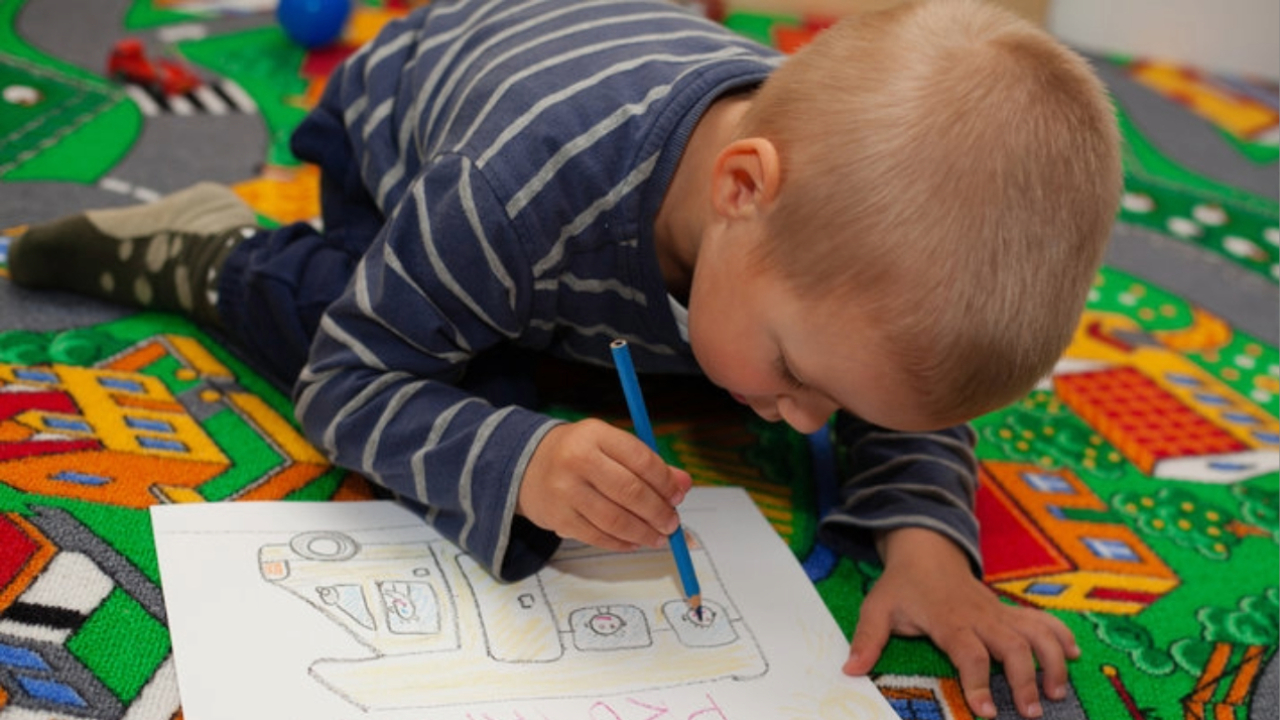
Walk into any EYFS classroom, and you’ll find magic in the smallest moments. You might see a child carefully threading beads and celebrating when one finally fits through the string. Another might be building a tall tower of blocks that keeps tumbling down — yet they smile, rebuild, and try again. Those little moments, often unnoticed by adults, are the beginnings of something truly powerful — a growth mindset. In the Early Years, this mindset shapes how children see themselves as learners, how they handle mistakes, and how they build resilience.
In the Early Years, every small step a child takes — from learning to zip up a jacket to writing their first letter — is a moment of growth. It’s easy to say, “You’re so clever!” or “You’re such a fast learner!” But what if the real magic isn’t in being “clever,” but in learning how to keep trying? That’s what the growth mindset is all about — helping our youngest learners understand that with effort, practice, and perseverance, they can improve at anything.
What is a Growth Mindset?
The concept of a growth mindset was developed by Dr. Carol Dweck, a psychologist at Stanford University. Her research shows that people who believe they can get better through effort and learning — rather than thinking their ability is fixed — are more likely to succeed and enjoy learning. In simple terms, it’s the difference between: A child saying, “I can’t do this,” and one saying, “I can’t do this yet.” That one little word — “yet” — changes everything. It gives children permission to keep trying. It helps them understand that mistakes are part of learning, not something to fear.
Put simply, a fixed mindset says: “I can’t do it.” A growth mindset says:
“I can’t do it yet, but I’m learning.” That single word — “yet” — gives children hope, patience, and confidence. And the best part? The Early Years are the perfect time to plant this mindset. At this age, children are naturally curious, brave, and open to trying — they just need adults who nurture that belief.
Bringing Growth Mindset to Life in EYFS
In the Early Years, the growth mindset isn’t taught through lessons or worksheets — it’s lived through everyday experiences. It’s in the way teachers speak, the way classrooms are set up, and the way children are encouraged to explore and persevere.
Language of Encouragement
When a child builds a tall block tower and it falls over, our first instinct might be to comfort them. But a teacher with a growth mindset might gently say: “Oh dear, your tower fell down! I can see you worked so hard on that. Shall we try again and see how we can make it even stronger?” This turns frustration into curiosity. The child learns that effort and persistence lead to success. Two children work on a puzzle together. One gets frustrated and says, “I can’t find where this piece goes!” The teacher steps in: “That’s okay — puzzles take patience! You’re looking carefully. What if we turn the piece around and see if it fits?” When the piece finally clicks into place, the child shouts, “I did it!” — a perfect example of persistence paying off.
Celebrating the Process, Not Just the Product
During art time, one child might proudly show a beautifully painted butterfly, while another is still mixing colours, trying to figure out how to make purple. Instead of saying, “What a beautiful butterfly!” we could say, “I love how you’re experimenting with colours — you’re really thinking like an artist!” By praising the effort, we teach children that learning happens in the process, not only in the outcome. A child struggles to put on their shoes after playtime. The instinct might be to help quickly, but a teacher with a growth mindset knows the power of trying. So instead, she kneels down and says, “You’re working hard at that! Look, you almost have it — push your foot in a little more.” It takes longer, but when the child finally manages, their face lights up. That sense of achievement builds confidence that no amount of adult assistance ever could.
Learning Through Challenges
In EYFS, challenges look simple but are deeply meaningful. When a child is struggling to write their name, we can remind them, “You’re getting better every time you try! Remember how you couldn’t write the first letter last week? Now you can!” This builds confidence and helps them connect effort with progress. During a balance beam activity, a child loses balance and says, “I can’t do it!” The teacher replies, “You nearly did it! Let’s take it slow and try one foot at a time. You’re getting steadier each time.” After several tries, the child crosses the beam — arms wide, smile wider. They’ve learned that practice makes progress.
Encouraging Resilience in Play
Even in physical activities, growth mindset shines through. During Sports Day practice, one child might fall while running and feel like giving up. The teacher can model resilience by saying, “That was a tricky race, wasn’t it? I loved how you got back up and kept going — that’s what strong learners do!” Children begin to see that success isn’t about being the fastest or the best — it’s about never giving up. In the class garden, children plant seeds and water them daily. After a few days, one child says, “Nothing’s growing.” The teacher explains, “Seeds take time to grow — just like you do. Even when you can’t see it, something amazing is happening underground.” When the first sprout appears, that small miracle reinforces one of the greatest growth mindset lessons of all — good things take time.
Why Growth Mindset Matters in the Early Years
The Early Years are the foundation of a child’s lifelong learning journey. This is when children first start forming beliefs about themselves — whether they think they’re capable, creative, and curious. Early childhood is when children form their beliefs about learning and themselves. A child who learns that mistakes are part of learning becomes a confident, curious problem-solver. Those who are constantly praised only for being “smart” may begin to fear failure. But those who are praised for effort — “You worked really hard on that!” — begin to understand that success comes from perseverance. In EYFS, every small victory counts. Whether it’s zipping up a jacket, sharing toys, counting to 20, or writing their name — every moment is an opportunity to strengthen their “I can do it” spirit.
When we encourage a growth mindset early on:
- Children become more confident to try new things.
- They recover quickly from mistakes.
- They develop a deep love for learning.
These are not just academic skills — they’re life skills. A child who learns to persevere through a challenging puzzle at age four is the same child who, years later, won’t give up when faced with a tough maths problem or a difficult friendship.
How Teachers and Parents Can Nurture a Growth Mindset
1. Model It Ourselves
Children learn more from what we do than what we say. When teachers make small mistakes and laugh about them — “Oops! I spilled the paint — let’s clean it up and start again!” — it teaches children that errors are part of learning. Let children see you make mistakes. Say, “Oops, I made a mistake — I’ll try again.” This normalises imperfection.
2. Use the Power of ‘Yet’
When a child says, “I can’t tie my shoelaces,” respond with, “You can’t tie them yet — but I can show you how.” The word “yet” gives them hope and keeps their motivation alive. When children say “I can’t,” gently add, “yet.” It’s a word full of hope.
3. Create a Safe, Encouraging Environment
In a growth mindset classroom, every child feels safe to take risks. Mistakes are not something to hide — they’re something to talk about, explore, and learn from. During circle time, discuss something tricky and how you overcame it. Children love to know that even adults find things difficult. Instead of rushing to help, ask, “What could we try next?” or “What do you think will happen if we…” Stories like The Most Magnificent Thing (Ashley Spires) or Beautiful Oops! (Barney Saltzberg) show that mistakes can lead to wonderful discoveries.
4. Praise Effort, Not Just Ability
Instead of saying, “You’re so smart,” say, “You tried really hard on that!” This helps children understand that improvement comes from persistence, not innate talent. Praise the process. “You kept trying until it worked!” motivates far more than “You’re so clever.”
5. Involve Parents
Parents play a vital role in reinforcing this at home. When parents encourage curiosity, celebrate small wins, and allow space for struggle, they’re helping their child build a lifelong growth mindset. Share phrases and strategies families can use at home. Encourage them to praise effort, patience, and perseverance — not just achievements.
The Joy of Watching Growth Unfold
There’s a special kind of joy in watching a young child’s face light up when they finally succeed at something they’ve been trying for days — whether it’s writing their name, balancing on one foot, or blending colours to make the perfect green. In that moment, they’re not just learning what to do — they’re learning how to believe in themselves. And that’s the true power of the growth mindset in Early Years. It’s not about creating perfect learners; it’s about nurturing resilient, curious, and confident little humans who know that with effort, patience, and courage — they can achieve anything. It’s not just about learning to read, write, or count. It’s about teaching children to believe in themselves — to know that even when things are hard, they can get better with practice, patience, and courage. When we nurture that belief from the very beginning, we’re not just building capable learners — we’re shaping confident, kind, and resilient little humans who carry that spirit of “I can” with them through every stage of life. Growth mindset in the Early Years isn’t a subject we teach — it’s a culture we create. It’s in our smiles, our words, our patience, and our faith in every child’s potential.
By Remediana Dias
Stay up to date
Subscribe to the free GESS Education newsletter and stay updated with the latest insights, trends, and event news every week. Your email address will remain confidential