Q&A with Dr Sonia Ben Jaafar - CEO, Abdulla Al Ghurair Foundation
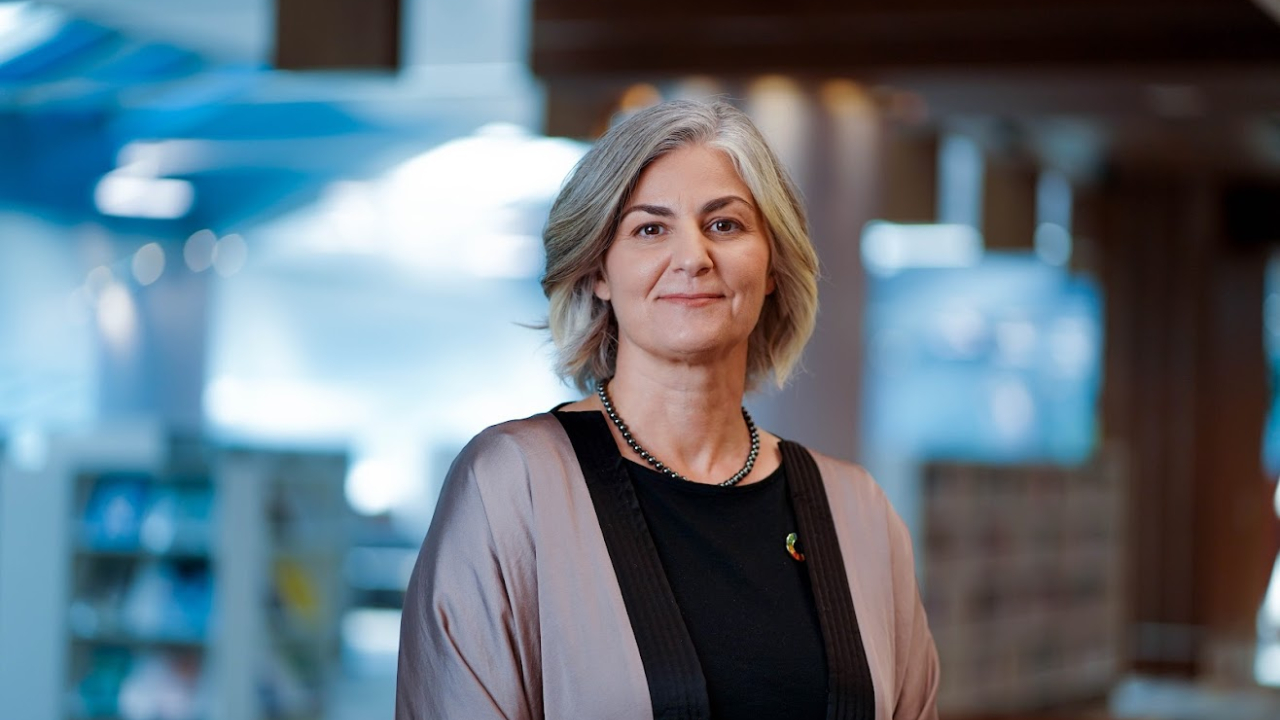
Dr Sonia Ben Jaafar – CEO Abdulla Al Ghurair Foundation
Can you share an overview of Abdulla Al Ghurair Foundation’s mission and key initiatives in the UAE and beyond?
The Abdulla Al Ghurair Foundation’s mission is to expand human capability in the Arab region by ensuring that education leads to opportunity, and opportunity leads to meaningful participation in society and the economy. In practice, that means moving beyond acts of charity or standalone programs to building systems that connect learning to earning through different pillars including: skills and employability pathways for youth and young professionals; partnerships with universities and governments to modernize teaching and learning; and targeted initiatives in fragile contexts so that young people in crisis are not left behind. Across the UAE and the wider region, our work is designed to be catalytic, testing scalable models, sharing evidence, and aligning with national visions so that impact can endure and grow over time.
How is the Abdulla Al Ghurair Foundation using data, evidence, and technology to strengthen education and skills systems in the UAE and beyond?
We see data and evidence as levers for systems transformation. Through initiatives such as Massar Al Ghurair, our AI-enabled national platform for skills and career intelligence, we’re helping translate complex labor market signals into actionable insights for educators, policymakers, and learners. By mapping emerging skills and aligning them with national priorities, we enable institutions to modernize curricula and training in real time. Technology also allows us to measure what works, share findings openly, and scale effective models across the region. The ultimate goal is not only to close today’s skills gaps but to anticipate tomorrow’s, creating more agile and inclusive learning ecosystems.
How does the Abdulla Al Ghurair Foundation collaborate with schools, universities, and other stakeholders to address skills gaps and prepare students for the future workforce?
We work as a convener and systems partner rather than a one-off funder. With schools and universities, we co-design interventions that embed skills into the learning journey, whether through flexible, work-relevant courses, or applied learning experiences that connect students to employers and emerging sectors. With government entities, private sector partners, and multilateral organizations, we use data and evidence to align programs with national priorities, ensuring that our initiatives are not parallel tracks but integrated into the country’s wider human capital strategy. The goal is to create ecosystems where young people can continuously reskill and upskill in response to changing realities, not just graduate once and hope the system catches up.
What are some of the challenges you’ve encountered in implementing your initiatives, and how have you overcome them to ensure impactful outcomes?
One recurring challenge is that systems change is slower than the pace at which the world of work is evolving. Curricula, regulations, and incentives take time to shift, even when the data is clear. Another is aligning the expectations of learners, educators, and employers so that skills interventions are not fragmented or duplicative. We address this by grounding our work in evidence, co-owning solutions with partners from day one, and designing pilots that can be tested, refined, and scaled. The aim is to help systems become more antifragile, able to learn from stress and disruption and emerge stronger, rather than simply trying to return to the status quo.
Looking ahead, what are the Abdulla Al Ghurair Foundation’s priorities for 2025 and beyond, particularly in the context of the UAE’s education and skills development goals?
Our priority is to deepen our role as a strategic thought partner to the UAE and the wider region on human capability, using data, partnerships, and evidence to inform how education and skills systems evolve. Practically, this means scaling skills and employability pathways that are tightly connected to growth sectors, expanding our work on digital and AI-enabled learning, and ensuring that women and young people in vulnerable settings are not left out of the future economy. We will continue to invest in tools to give policymakers, institutions, and employers the insight they need to make better decisions, faster. Ultimately, our focus is on helping build an education and skills ecosystem that not only withstands change, but uses it as a driver for innovation and long-term resilience.
Stay up to date
Subscribe to the free GESS Education newsletter and stay updated with the latest insights, trends, and event news every week. Your email address will remain confidential