Digital Equity and Inclusive Technology Access
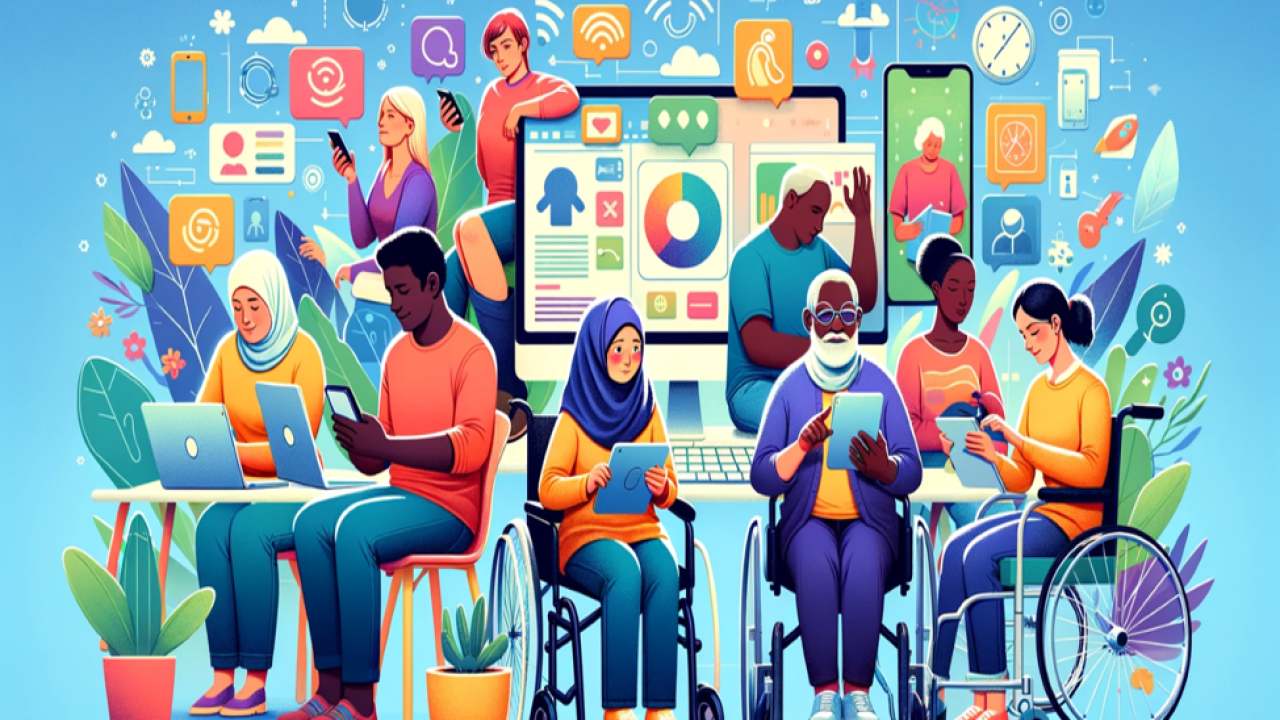
Digital equity has become an essential focus in modern education as technology continues to shape how children learn, communicate, and participate in the world. As digital tools become more integrated into classrooms, ensuring that all learners have fair and meaningful access to technology is increasingly important. Digital equity is not simply about providing devices; it is about creating conditions where every child—regardless of background, ability, or circumstance—can benefit from digital learning opportunities. For educators, families, and communities, promoting inclusive technology access is a shared responsibility that directly influences children’s learning experiences and future opportunities.
Digital equity begins with recognising that children come from diverse environments with varying levels of access to devices, internet connectivity, and digital literacy support. Some children grow up surrounded by technology, while others may have limited or inconsistent access at home. These differences can affect how confidently children engage with digital tools and how prepared they are for technology‑rich learning environments. Schools play a crucial role in bridging these gaps by ensuring that all learners have access to the tools and resources they need to participate fully in digital learning.
In early years education, technology is most effective when used to support exploration, communication, and creativity. Young children learn best through hands‑on experiences, interaction, and play, and digital tools can complement these experiences when used thoughtfully. For example, interactive storybooks, simple coding toys, and age‑appropriate learning apps can help children develop early literacy, problem‑solving, and digital awareness. However, for these opportunities to be meaningful, all children must have equal access to the tools and support required to use them confidently.
One of the key components of digital equity is ensuring reliable access to devices and internet connectivity. In some communities, children may not have access to tablets, laptops, or stable internet at home, which can limit their ability to practise digital skills or complete technology‑based learning tasks. Schools can help address this by providing shared devices in classrooms, offering loan programmes, or creating technology‑rich learning spaces where children can explore digital tools in a supportive environment. When children have consistent access to technology, they are better able to develop the foundational digital skills needed for future learning.
Another important aspect of inclusive technology access is supporting children with diverse learning needs. Digital tools can offer powerful opportunities for personalised learning, especially for children who may require additional support. Features such as text‑to‑speech, visual aids, interactive activities, and adaptive learning platforms can help children engage with content in ways that match their learning styles. Ensuring that these tools are available to all learners—and that teachers are trained to use them effectively—helps create a more inclusive learning environment where every child can participate meaningfully.
Digital equity also involves supporting families, as parents play a central role in reinforcing digital learning at home. Some families may feel confident using technology, while others may need guidance on how to support their children’s digital experiences. Schools can help by offering workshops, sharing simple instructions, or providing resources that explain how to use digital tools safely and effectively. When families feel empowered, children benefit from consistent support both at school and at home.
Teacher training is another essential component of digital equity. Educators need opportunities to learn how to integrate technology in developmentally appropriate ways, select high‑quality digital resources, and support children’s digital literacy. When teachers feel confident using technology, they can create learning experiences that are engaging, inclusive, and aligned with children’s developmental needs. Professional development ensures that technology is not used simply for the sake of using it, but as a meaningful tool that enhances learning.
In multicultural societies , digital equity also plays a role in promoting cultural inclusion. Digital tools can introduce children to stories, languages, and experiences from around the world, helping them develop respect for diversity. When children see their cultures represented in digital content, they feel a stronger sense of belonging. Ensuring that digital resources reflect diverse backgrounds supports inclusive learning environments where all children feel valued.
As technology continues to evolve, digital equity remains a vital goal for educators, families, and communities. By ensuring fair access to devices, supporting digital literacy, and creating inclusive learning environments, we help children develop the skills they need to participate confidently in a digital world. When children are given equal opportunities to explore technology, ask questions, and engage with digital tools, they become active learners who are prepared for the future.
Digital equity is not only about access—it is about empowerment. When all children have the opportunity to use technology in meaningful ways, they develop curiosity, confidence, and a sense of agency. Through collaborative efforts between schools, families, and communities, we can ensure that technology becomes a bridge to learning rather than a barrier, and that every child has the chance to thrive in an increasingly digital society
By Rahma Abudhais
Stay up to date
Subscribe to the free GESS Education newsletter and stay updated with the latest insights, trends, and event news every week. Your email address will remain confidential