Leading the Future of Educational Environments: Beyond Desks and Classrooms
VS Furniture Middle East | Silver Sponsor, GESS Dubai 2026 Education is evolving rapidly. Teaching methods are changing, technology is transforming the classroom, and expectations of what schools should provide are higher than ever.
But while we continue to rethink how education is delivered, are we giving the same attention to the spaces where learning actually happens?
For generations, the classroom followed a familiar arrangement: desks in rows, a teacher at the front, and students spending most of their day in the same position.
Today, that model is being challenged.
Learning is no longer confined to one teaching method, one seating arrangement or even one type of space. Modern education requires environments that can adapt, encourage participation and support the different ways students learn.
When Space Becomes Part of the Learning Experience
A well-designed educational environment does more than accommodate students. It creates opportunities.
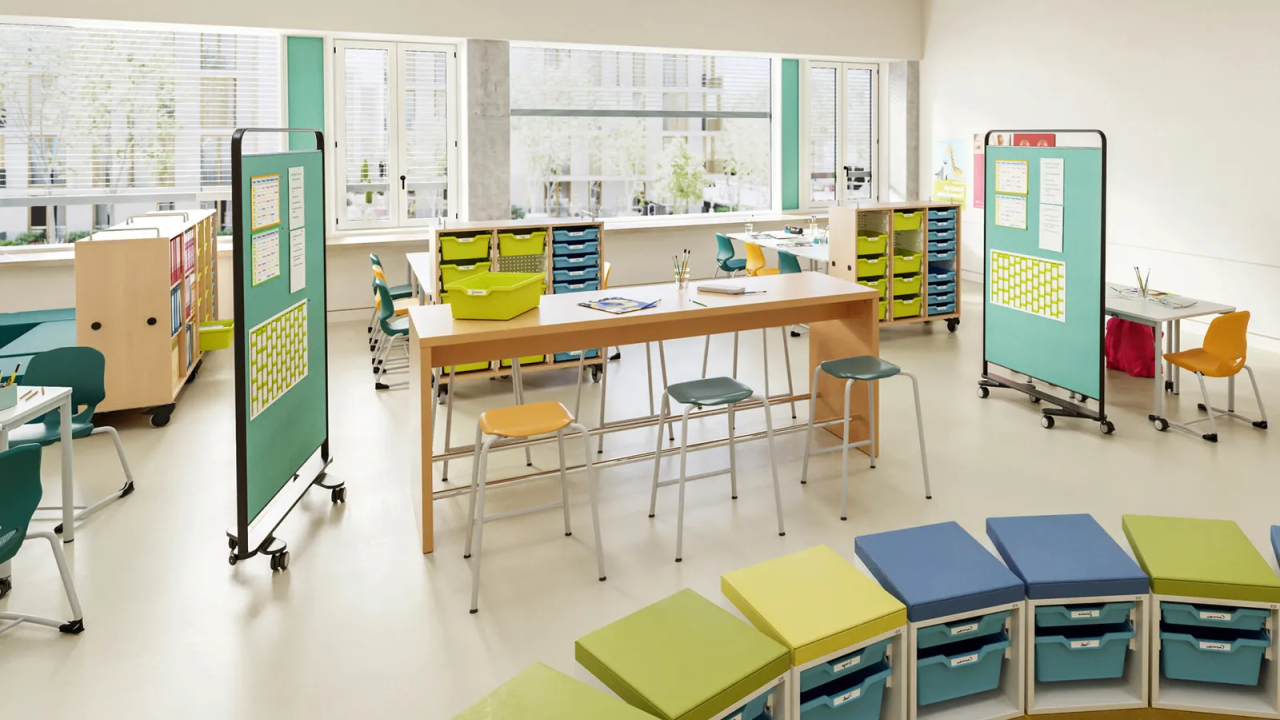
Imagine a classroom that can transition from individual study to group collaboration within minutes. A space where teachers can rearrange furniture to support different activities, where movement is considered part of the experience, and where students feel comfortable participating.
These decisions influence how a space functions every day.
Flexible layouts, ergonomic furniture and thoughtful spatial planning can give educators greater freedom to teach in ways that respond to their students' needs.
The real question is no longer simply what furniture a classroom needs, but what kind of learning experience that classroom should enable.
Designing for People, Not Just Spaces
Every educational environment serves people with different needs, abilities and ways of engaging.
A primary school classroom, a university learning hub and a specialised STEM laboratory may have different requirements, but they share one fundamental purpose: supporting meaningful learning.
This is why educational design must consider movement, accessibility, comfort and adaptability from the beginning.
It also means thinking beyond aesthetics. A beautiful classroom is valuable, but a beautiful classroom that functions effectively, accommodates different activities and remains relevant over time is a much stronger investment.
Thinking Beyond Today
Across the Middle East, the development of educational infrastructure presents an opportunity to rethink how learning environments are created.
For school leaders and decision-makers, designing a new space is not simply a procurement exercise. It is a long-term strategic decision.
Will the environment support evolving teaching practices? Can it adapt to changing student needs? Will the furniture maintain its functionality and quality over years of intensive use?
The answers require a balance of innovation, intelligent design, flexibility and durability.
Educational institutions need solutions that respond to today's requirements while remaining prepared for tomorrow's possibilities.
Leading the Future of Educational Environments
At VS Furniture Middle East, this thinking shapes our approach to educational spaces.
Built on German design heritage and regional expertise, we work with schools, universities and educational institutions to create environments where thoughtful design meets real educational needs.
Our role extends beyond furniture manufacturing and supply. We see ourselves as a long-term partner in developing educational spaces that combine ergonomics, innovation, functionality and lasting quality.
As a Silver Sponsor of GESS Dubai 2026, we are proud to contribute to the conversations shaping the next generation of educational environments.
Our message is simple:
Leading the Future of Educational Environments.
Not simply by responding to how education is changing, but by helping create spaces that are ready for what comes next.
Discover more about VS Furniture Middle East at www.vs-furniture.ae
Stay up to date
Subscribe to the free GESS Education newsletter and stay updated with the latest insights, trends, and event news every week. Your email address will remain confidential